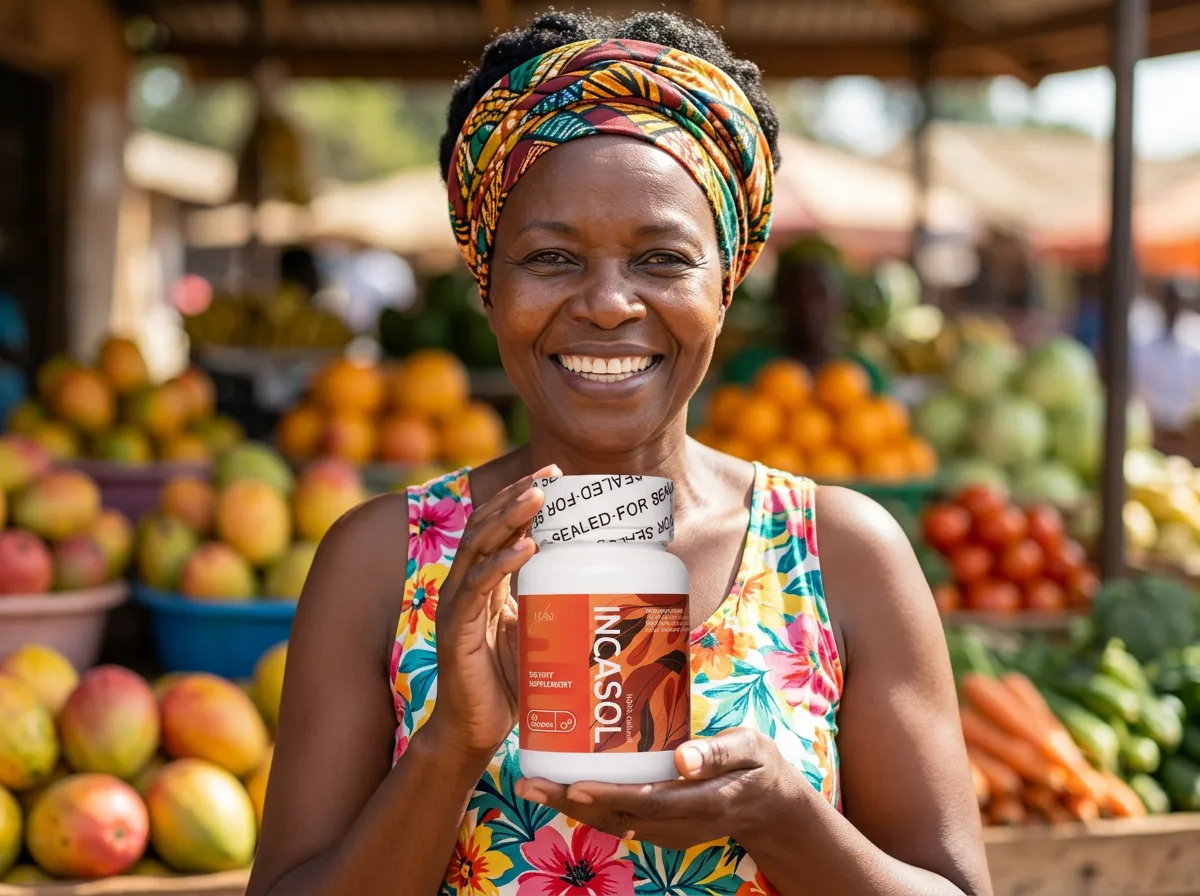
How to Lower Blood Pressure Naturally in Kenya

If a clinic reading has left you wondering what you can actually do at home, this is a practical, step-by-step guide for Kenyans. It focuses on the everyday actions that matter most — checking your numbers, cutting back on salt, eating familiar heart-friendly foods, moving more and resting well — and shows where a plant-based supplement like Incasol fits in as gentle support. None of this replaces your doctor; it helps you work with them.

See the diet guide

High blood pressure is common across Kenya, and a great deal of it can be influenced by the choices we make each day. The good news is that learning how to lower blood pressure naturally in Kenya does not require expensive equipment or hard-to-find foods. The most effective natural ways to reduce blood pressure are practical, affordable and built around what is already in your kitchen, your neighbourhood and your weekly routine.

This guide is deliberately action-first. Rather than dwelling on theory, each section below gives you something concrete to do — a habit to start this week and build on the next. Used consistently, these lifestyle changes for hypertension in Kenya give most people genuine influence over their own heart health. They work best as a set, layered gradually, and always alongside the guidance of a qualified doctor who can monitor your readings safely.

Monitor your blood pressure regularly

The single most useful first step is also the most overlooked: actually knowing your numbers. Blood pressure is often called the "silent killer" because it can climb high without any obvious symptoms, so you cannot rely on how you feel. Without regular readings, you are guessing — and guessing is no basis for natural blood pressure control in Kenya.

A basic home blood pressure monitor is now widely available in Kenyan pharmacies and online, and it pays for itself quickly in peace of mind. Take readings at a similar time each day, sit quietly for five minutes first, keep your arm supported at heart level, and avoid coffee or exercise just beforehand. Write each result in a simple notebook or a note on your phone. If you do not own a monitor, many local chemists offer free or low-cost checks at the counter.

This habit does two things. It lets you see whether your efforts are working over weeks and months, and it gives your doctor something concrete to review at each visit. A written log is far more useful to a clinician than a single reading taken on the day, because it shows the real pattern. Measurement turns vague worry into clear direction.

Reduce salt and processed foods

If you change only one thing about your diet, make it salt. Sodium causes the body to hold on to extra water, which raises the volume of blood the heart has to move and pushes pressure up inside the arteries. For many Kenyans, cutting back on salt is the most powerful natural way to reduce blood pressure — and the easiest to start today.

A surprising amount of salt is added during cooking and at the table. Practical fixes are simple: taste food before reaching for the salt shaker, treat stock and seasoning cubes as an occasional shortcut rather than a default, and build flavour with garlic, ginger, onions, dhania and a squeeze of lemon instead. The World Health Organization generally advises most adults to keep total salt to around a teaspoon a day, and palates adjust faster than people expect — within a couple of weeks, over-salted food often starts to taste too strong.

Processed and packaged foods are the hidden culprits, because the salt is mixed in before it reaches you. Crisps, salted snacks, instant noodles, processed sausages, tinned meats and very salty preparations of omena or dried meat can quietly push daily sodium well above sensible levels. You do not have to ban them — simply move them from daily habit to occasional treat, and lean on fresh, home-cooked meals most of the time. Our hypertension diet guide for Kenyans goes deeper into exactly what to eat and avoid.

Follow Kenyan heart-friendly diet examples

Reducing salt is half the story; the other half is adding the right foods. Potassium-rich vegetables and fruit work in the opposite direction to sodium, helping the body shed excess salt and relax blood vessel walls. The encouraging part is that the best foods for healthy blood pressure are already staples of the Kenyan table — affordable, familiar and grown close to home.

Lean on leafy greens first. Sukuma wiki, managu (African nightshade) and terere (amaranth greens) are rich in potassium and fibre and pair with almost any meal when cooked lightly with minimal oil and salt. Sweet potatoes and arrow roots (nduma) make filling, naturally low-salt swaps for heavier accompaniments, while beans, green grams and githeri add plant protein and slow-release fibre that keeps you full. Omena, prepared without heavy salting, brings protein and beneficial fats to the plate.

Fruit handles the sweet cravings without the added sugar of sodas and packaged snacks. Avocado is a standout for heart-friendly fats and potassium, and mangoes, bananas, pawpaw, oranges and watermelon make refreshing, in-season choices. A simple rule keeps it all together: fill half your plate with vegetables and fruit, a quarter with a whole-food carbohydrate such as ugali, sweet potato or githeri, and a quarter with lean protein like fish, beans or skinless chicken. Build most meals this way and the saltier, fattier extras naturally shrink.

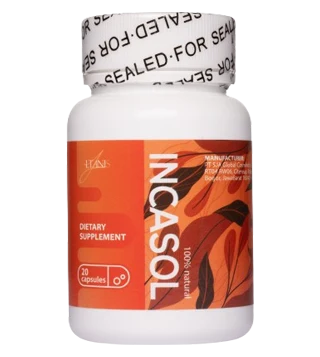
Incasol blood pressure capsules — 20 capsules pack
⚡ Special Price — 50% OFF

Add Natural Support to Your Plan

Six plant-based ingredients in one daily capsule, formulated to support healthy blood pressure and cardiovascular wellness.

13,200 KES 6,600 KES

Genuine product · Delivery across Kenya · Daily dispatch

Move daily

Regular movement helps the heart pump more efficiently and keeps blood vessels healthy, and it is one of the most reliable lifestyle changes for hypertension in Kenya. The best part is that it costs nothing. A brisk daily walk — perhaps twenty to thirty minutes after dinner — is genuinely effective, and so are cycling, dancing, working in the shamba and active play with children.

Health bodies generally suggest aiming for around 150 minutes of moderate activity across a week, which works out to roughly half an hour on most days. If that feels like a lot, start smaller and build up; any increase from where you are now is a step in the right direction. The trick is to choose something you can repeat without dreading it, because consistency matters far more than intensity. Many active Kenyans, from runners to those in physical work, treat steady daily movement as the backbone of their cardiovascular routine.

One sensible caution: if your blood pressure is already high or you have an existing heart condition, speak with a doctor before starting a new exercise programme so they can advise on a safe pace. Movement is medicine, but it should be matched to your situation.

Manage weight, sleep, alcohol and stress

Several smaller habits each contribute a modest amount, and together they add up to a meaningful difference. None requires special tools — just steady attention.

Weight. Carrying extra weight, especially around the middle, makes the heart work harder. You do not need a dramatic transformation; even a gradual, modest reduction through better food choices and daily movement can ease the load on your cardiovascular system.

Sleep. The body does much of its repair and regulation overnight, and consistently short or broken sleep is increasingly linked to raised blood pressure. Aim for a regular bedtime, cut caffeine and screen time late in the evening, and keep your sleeping space cool and quiet. If you snore heavily or wake exhausted, mention it to a doctor, as sleep problems can affect blood pressure.

Alcohol. Drinking heavily or regularly tends to push blood pressure upward. Cutting back — or keeping intake well within sensible limits — is a straightforward way to support healthier readings.

Stress. Long commutes, financial pressure and demanding work keep the body in a heightened state that can contribute to raised blood pressure over time. Simple practices help: a few minutes of slow, deep breathing, stepping outside for fresh air, prayer or quiet reflection, and protecting time with family and friends. These cost nothing and slot easily into an ordinary day. For a broader view of how these pillars fit together, our guide to natural blood pressure control brings them into one routine.

Natural supplements as support, not treatment

It is worth being clear about what a herbal supplement can and cannot do, because the wellness market is full of overblown claims. A responsible supplement does not treat, cure or replace medical care, and it should never be a reason to skip a clinic appointment or stop prescribed medication. What a well-chosen botanical formula can do is provide a gentle, consistent daily habit that sits on top of the foundations — good food, movement, sleep and stress care.

This is exactly the role Incasol is built for. Each pack contains 20 capsules formulated from six plant ingredients — ginger root, bergamot, dandelion root, sinicum root, burdock root and eucalyptus — chosen for their long traditional use in circulatory and cardiovascular wellness. Bergamot, for example, is a citrus rich in plant flavonoids studied for their role in healthy lipid balance, while dandelion is valued for its gentle natural diuretic properties. The appeal of a combined capsule is simply convenience and consistency: one small, repeatable habit each day, rather than sourcing and preparing several herbs separately.

The honest framing matters. A supplement taken alongside a salty diet, no exercise and poor sleep cannot be expected to carry the load alone — it is a supporting layer, not the foundation. Anyone taking prescription medication, managing an existing condition, pregnant or breastfeeding should speak with a qualified health professional before starting. If this approach fits your routine, you can order Incasol directly, or first read about the wider natural hypertension remedy approach to see how traditional botanicals are used as supportive measures.

Incasol blood pressure capsules — 20 capsules pack
⚡ Special Price — 50% OFF

Support Your Routine with Incasol

Six plant-based ingredients in one daily capsule, formulated to support healthy blood pressure and cardiovascular wellness.

13,200 KES 6,600 KES

Free consultation · Nationwide delivery · Original formula

When to seek medical help

Natural methods are powerful, but they are not a substitute for professional care, and knowing when to seek help is part of doing this responsibly. Book a check with a doctor if you have never had your blood pressure measured, if your home readings stay consistently high despite your efforts, or if you have other risk factors such as diabetes, kidney problems or a family history of heart disease.

Some signs call for prompt medical attention rather than waiting: a severe or unusual headache, chest pain, breathlessness, blurred vision, or sudden dizziness. If you experience these, do not try to manage them with lifestyle changes alone — seek care without delay. And if you have already been diagnosed with hypertension, keep your regular appointments and continue any prescribed medication exactly as directed, adjusting it only with your doctor.

The most effective approach combines the two worlds. Your home habits — measuring, eating well, moving, resting and, if you choose, a supporting supplement — give you day-to-day influence, while your doctor provides monitoring, diagnosis and any medication you need. Natural and professional care are partners, not rivals, and together they offer the safest, most sustainable path to healthier blood pressure.
Medical disclaimer: This page is for general wellness information only and does not replace professional medical advice. If you have hypertension or take prescription medicine, consult a qualified healthcare professional before using any supplement.

Frequently Asked Questions About Lowering Blood Pressure Naturally

Can high blood pressure be lowered naturally?

For many adults with mildly raised readings, steady lifestyle changes — eating less salt, moving daily, sleeping better and easing stress — can help support healthier blood pressure over time. The honest answer, though, is that it depends on your numbers and your overall health, so any natural plan should be built together with a doctor rather than instead of one. Think of natural methods as a way to give yourself the best chance, not a guaranteed cure.

What foods help support healthy blood pressure in Kenya?

The most blood-pressure-friendly foods in Kenya are also some of the most affordable. Leafy greens such as sukuma wiki, managu and terere are rich in potassium, while sweet potatoes, arrow roots, beans and githeri add fibre and slow-release energy. Fresh fruit like mangoes, bananas, oranges and avocado, plus lightly prepared omena, round out a heart-conscious plate. The key is to pair these with less added salt and fewer deep-fried, processed and packaged foods.

Is exercise important for lowering blood pressure?

Yes — regular movement is one of the most consistently recommended habits for cardiovascular health. You do not need a gym; brisk walking, cycling, dancing, farm work or playing with your children all count. Health bodies generally suggest around 150 minutes of moderate activity across the week, but any increase from your current level helps. If your readings are high or you have a heart condition, check with a doctor before starting a new routine.

Can supplements help lower blood pressure naturally?

A plant-based supplement is best understood as a supporting habit, not a treatment. It cannot do the job of a healthy diet, exercise and medical care on its own. Some Kenyans add a formula such as Incasol — which combines six botanical ingredients — as one steady daily habit alongside their lifestyle changes. Anyone on prescribed medication or managing an existing condition should speak with a qualified health professional before starting any supplement.

Should I stop my medication if my lifestyle improves?

No — never stop or adjust prescribed blood pressure medication on your own, even if your home readings look better. The improvement may be partly because of the medication itself, and stopping suddenly can cause a dangerous rebound rise. Any change to treatment must be decided with your doctor, who can monitor you safely and reduce or adjust medicines gradually if and when it is appropriate.

When should I see a doctor about my blood pressure?

See a doctor if you have never had your blood pressure checked, if home readings are consistently high, or if you experience symptoms such as severe headache, chest pain, blurred vision, breathlessness or dizziness. Anyone already diagnosed with hypertension should keep regular appointments. Lifestyle changes and supplements work best alongside professional monitoring, not as a reason to delay seeking medical help.

Dr. David Ochieng, Preventive Health Consultant
✍️ Written by
Dr. David Ochieng
Preventive Health Consultant
Dr. Samuel Kiprotich, Nutrition & Wellness Expert
🔍 Reviewed by
Dr. Samuel Kiprotich
Nutrition & Wellness Expert

This content follows editorial standards for accuracy and a wellness-oriented tone. It is intended for general information and does not replace professional medical advice.